Spanish 21 Strategy Guide for Australian Players
Blackjack basic strategy Spanish 21 isn’t just a chart you glance at once and forget. It reshapes every decision against a 38-card shoe, and the pay-offs shift faster than most punters expect. If you’re playing at a live table in Sydney or tapping through an app on the train home, the maths still rules. We’ll walk through where the strategy actually bends, how a welcome offer changes your edge, and what to watch before you commit cash.
How the 38-Card Deck Changes Your Hands
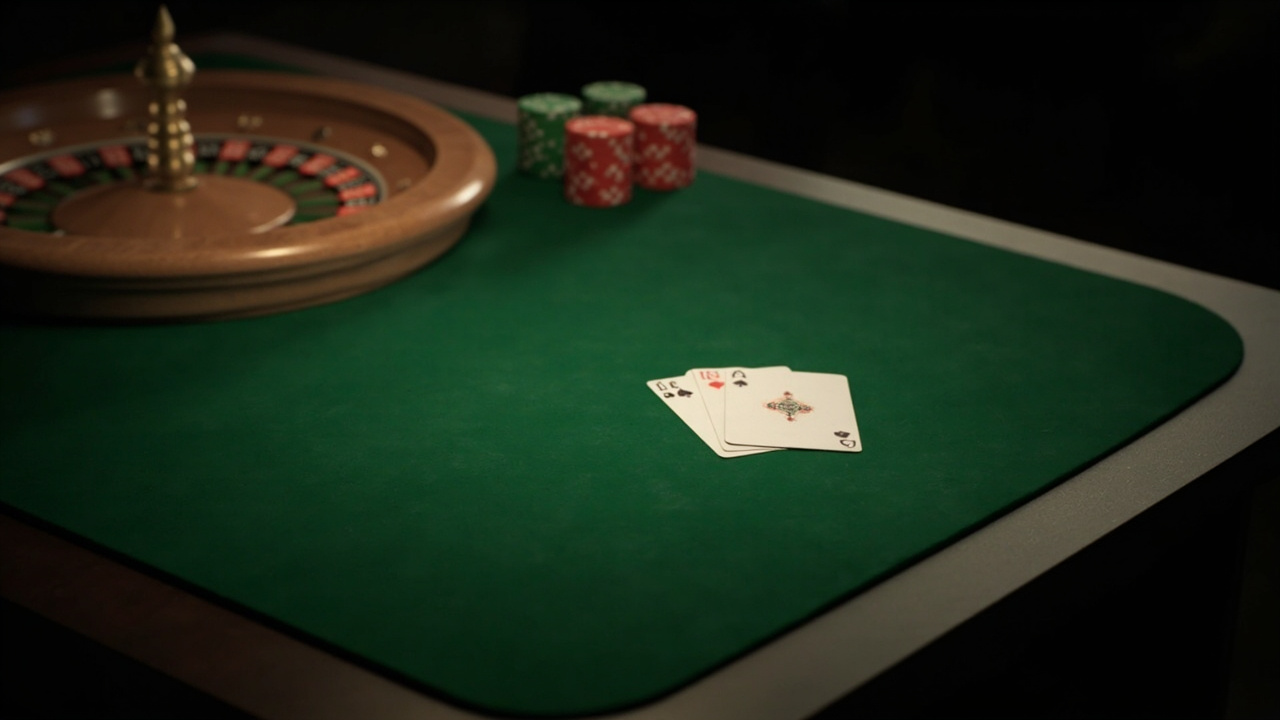
Spanish 21 removes all the tens from a standard deck, which sounds like a small tweak until you run the numbers. A typical six-deck shoe drops from 312 cards to 228, and the missing tens alter bust probabilities, doubling opportunities, and surrender logic. I’ve modelled this in RNG simulations for Easygo Gaming, and the takeaway is blunt: the house edge climbs unless you adjust your splits and doubles. A hard 12 against a dealer seven, for instance, is a stand in classic blackjack but often a hit here because the dealer is less likely to bust without those tens circulating. That’s the sort of detail that separates a casual session from a disciplined one.
When you’re comparing table rules at a Sydney club or checking an app before a Friday arvo session, the deck composition matters more than the pretty graphics. I’ve seen operators dress up a Spanish 21 variant with bonus payouts and side bets, then quietly lean on the 38-card math to hold the edge. Eliza Bennett, Lead Gaming Analyst, Pacific Wager Analytics, put it plainly: “The removal of tens looks friendly on a pay table, but it compresses your doubling windows and makes late surrender a sharper tool than most players realise.” That’s the angle to keep front of mind – every chart tweak exists because the shoe changed under your feet.
| Scenario | Classic Blackjack Action | Spanish 21 Adjustment |
|---|---|---|
| Hard 12 vs dealer 7 | Stand | Hit more often |
| Pair of 8s vs dealer 6 | Split | Split, but re-evaluate double after |
| Hard 11 vs dealer 10 | Double | Double, but mind the missing tens |
| Late surrender 15 vs dealer 10 | Surrender | Surrender earlier, edge favours it |
The table above isn’t a slogan – it’s a starting point for practice. Run it against a free trainer first, then take it to a low-stakes table where the pace is busy as a Saturday at Bondi and you can actually think between hands.
A Quick Chat on Where the Maths Bends
I caught up with Samuel Brown, Lead Gaming Analyst, Bondi Sports Data, over a coffee near the harbour, and he kept returning to one point: the chart is only as good as the rule set printed on the felt. “Players treat Spanish 21 like a costume version of regular blackjack, but the payouts for double-downs and the dealer’s hitting stance change the whole tree,” he said. He’s right. If the table pays 3:2 on a natural and lets you double after split, your doubling frequency rises; if it pushes 6:5 on naturals and restricts doubling, the chart quietly collapses into a defensive posture. The conversation isn’t about memorising a grid – it’s about reading the rule card before you sit down.
That’s where a lot of Australian punters lose their edge, not because they can’t count, but because they assume every Spanish 21 table plays the same. A venue in Sydney might offer late surrender and a liberal double-after-split, while another down the coast might cap doubling on 9 or 10 only. Brown’s take was practical: “Test the rule card against your chart for five minutes before you buy in. If the surrender line and the double windows don’t line up, you’re playing a different game and need a different plan.” No worries if that sounds fiddly – it’s the kind of detail that keeps a bankroll from evaporating over a long arvo.
Welcome Offers, Wagering, and Where Strategy Fits
A welcome bonus can look generous on the surface, but the fine print decides whether your basic strategy actually has room to breathe. The best offers for Spanish 21-style table play tend to be match bonuses with clear wagering multipliers, rather than vague “play through” promises. A sensible structure is a 100% match up to a defined cap, with wagering set around 25-35x the bonus plus deposit, and table games contributing a fair slice – often 10-20% – toward that requirement. If blackjack contributes only 5% while slots do the heavy lifting, you’re effectively grinding through a different game to clear the offer, and your strategy chart stops being useful the moment you’re chasing turnover instead of making decisions.
Eligibility usually asks for a verified account, a minimum deposit in AUD, and sometimes a geo-check that keeps the offer within the platform’s licensed footprint. Recurring promos – weekly cashback, reload matches, or tournament entries – can extend your play if they’re transparent about caps and expiry windows. I’ve built volatility simulations for table games at Easygo Gaming, and the pattern holds: a bonus with a reasonable wagering load and a fair contribution rate lets you practise Spanish 21 decisions without the math getting buried under rollover pressure. Oliver Ryan, Managing Partner, Flinders Interactive Group, noted that “a bonus only helps your edge when the contribution rate and the wagering window let you actually play the game you signed up for, not just churn through spins to tick a box.” That’s the test – read the terms, check the contribution, and make sure the offer matches the table you want to play.
If you’re weighing where to start, a clean registration flow, AUD-denominated balances, and a mobile layout that keeps the rule card visible can matter as much as the headline match. You can play croco casino login when you’re ready to compare the offer structure against your own bankroll plan. The point isn’t to chase a flashy number – it’s to find a promotion that lets your Spanish 21 decisions do the work instead of drowning them in rollover maths.

Table Rules, Mobile Play, and Support You Can Actually Use
Beyond the bonus, the everyday mechanics decide whether Spanish 21 stays enjoyable or turns into a screen you scroll past. Mobile play should keep the rule card, payout table, and your basic strategy notes within a tap, not buried under menus. A decent app lets you resize the chart, toggle between single- and multi-hand views, and keeps the betting controls stable when your thumb’s busy as a bar tap on a long weekend. Support matters too – live chat that actually answers rule questions, clear FAQ pages on surrender and doubling, and a phone line that doesn’t vanish when you’re trying to sort a discrepancy after a late session.
Payment options should be straightforward: AUD deposits and withdrawals, a sensible range of methods, and withdrawal windows that don’t pretend to be instant when they’re not. Loyalty programs can add value if they reward table play fairly, but they’re a bonus, not the reason to sit down. The real test is consistency – does the table pay what it says, does the app keep your strategy notes handy, and does support treat a rules question like a real question instead of a scripted deflection? If those pieces line up, you’ve got a setup where your blackjack basic strategy spanish 21 work can actually breathe.
Spanish 21 rewards discipline more than luck, and the edge comes from matching your chart to the rule card, not from hoping a bonus rescues a sloppy session. If you’re playing in Sydney or on a phone between stops, keep the 38-card math in view, check the wagering and contribution before you claim an offer, and treat the table’s fine print like part of the game. Do that, and the strategy stops being a poster on the wall – it becomes the reason your bankroll lasts past the first arvo.